




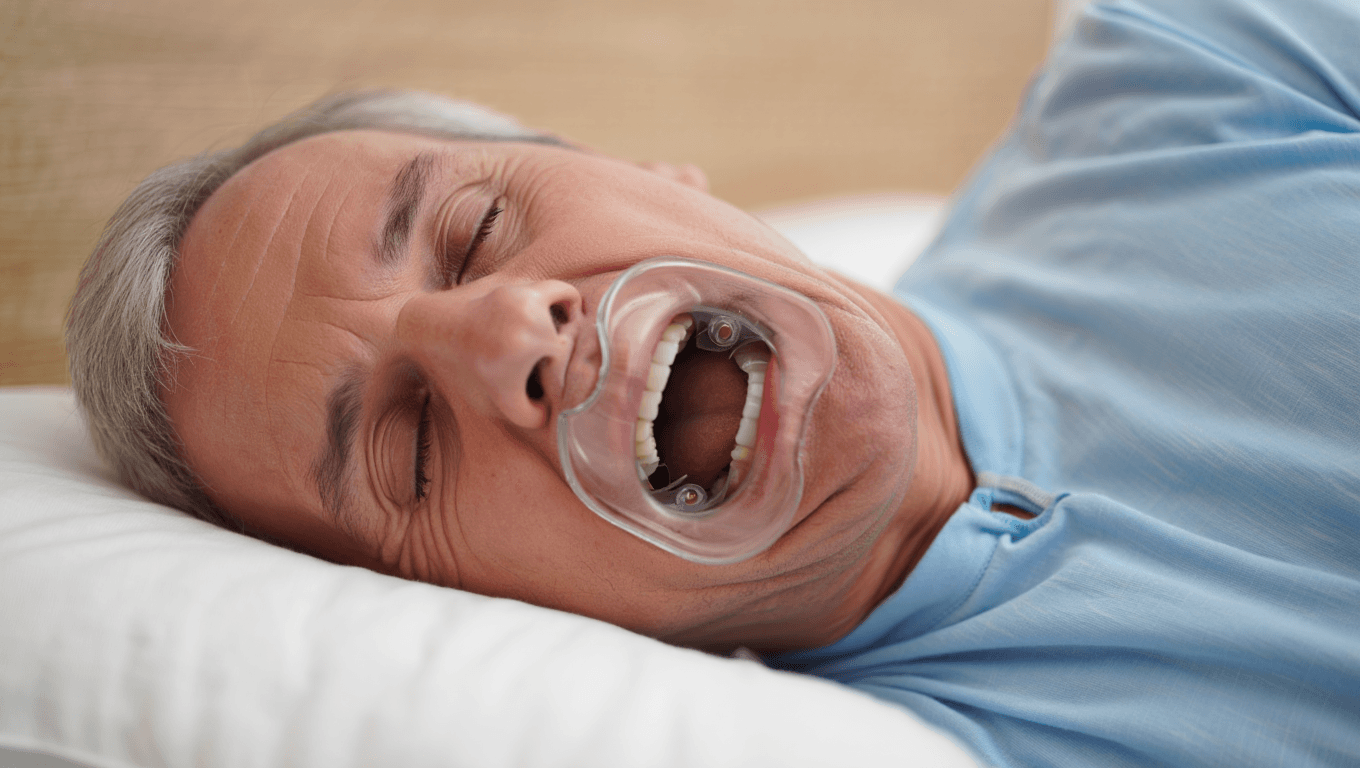
Oral Appliances for Snoring - Complete Review and Recommendations
Oral Appliances for Snoring: A complete review covering types (MADs, TRDs), effectiveness, user experiences, side effects, and expert opinions. Make an informed choice for a snore-free life!
Oral Snoring Appliances: Summary and Top Recommendations
Snoring is a common issue caused by the vibration of respiratory structures during sleep, impacting both the snorer and their bed partners. It can also indicate underlying health conditions like obstructive sleep apnea (OSA). Oral appliances are a non-invasive treatment to reduce or eliminate snoring by addressing airway obstruction. This report reviews oral appliances for snoring, covering types, popularity, effectiveness, user experiences, expert recommendations, side effects, and manufacturers.
The cause of snoring is the narrowing or obstruction of the upper airway during sleep, leading to turbulent airflow and vibration. Factors contributing to this include:
- Position of the tongue
- Relaxation of throat muscles
- Nasal congestion
- Individual anatomical structures
Oral appliances work by repositioning the jaw or tongue to keep the airway open. It's important to target the specific cause of snoring. Because snoring can be a symptom of OSA, assessment by a healthcare professional is recommended before treatment.
Types of Oral Appliances
Oral appliances fall into two main categories: Mandibular Advancement Devices (MADs) and Tongue Retaining Devices (TRDs).
- Mandibular Advancement Devices (MADs): These are the most common type.
- They fit over the teeth and advance the lower jaw forward.
- This pulls the tongue forward, increasing space in the throat.
- Variations include custom-fitted (from a dentist) and over-the-counter ("boil and bite").
- MADs can be one-piece or two-piece, with two-piece models offering adjustability.
- Examples include Herbst, Oravan, SomnoDent, EMA, Narval, TAP Elite, CareFusion ApneaRx, SnoreRx Plus, SLEEPON M2, Airway Management myTAP, Silent Nite, ProSomnus EVO, and Panthera D-SAD.
- Adjustability is important for optimal airway patency and comfort.
- Tongue Retaining Devices (TRDs): These hold the tongue forward using suction.
- They prevent the tongue from collapsing into the airway.
- TRDs are less popular than MADs.
- They are suitable for those who can't use MADs (e.g., insufficient teeth).
- Examples include AveoTSD, Good Morning Snore Solution, and Zyppah.
- TRDs are useful when snoring is primarily due to tongue obstruction.
- Other Oral Appliances:
- Rapid Maxillary Expansion (RME) devices: Primarily for children with OSA to widen the upper jaw.
- Tongue muscle stimulation devices: A newer approach to strengthen tongue muscle tone.
Popularity of Oral Appliances
Popularity is determined by "Top Picks" lists, mentions across sources, and online marketplace activity. Models like SnoreRx Plus, Somnofit-S, SLEEPON M2, Airway Management myTAP, CareFusion ApneaRx, American Sleep Dentistry Oral Appliance, and Zyppah are highly rated. Brands like SomnoDent, ProSomnus, ZQuiet, VitalSleep, and Good Morning Snore Solution are frequently discussed. Popularity factors include:
- Perceived effectiveness
- User comfort
- Ease of use (OTC options)
- Brand reputation
- Marketing efforts
- Prescription vs. over-the-counter availability
Custom-fitted appliances are favored by experts, but OTC options are more convenient.
Effectiveness of Oral Appliances
Research supports the effectiveness of oral appliances in reducing snoring.
- MADs:
- Studies show a significant reduction in the Apnea-Hypopnea Index (AHI) in mild to moderate sleep apnea (around 50%).
- Custom-made MADs are more effective than prefabricated ones.
- MAD therapy improves daytime fatigue, blood pressure, cognitive function, mood, and well-being.
- Effective for primary snoring.
- TRDs:
- Effective in reducing both AHI and the snoring index.
- Effectiveness can be comparable to MADs.
- Beneficial when snoring is from tongue obstruction.
- A meta-analysis supports TRDs as an alternative treatment for OSA.
- Specific Models:
- SnoreRx Plus: Positive user feedback for snoring reduction.
- Somnofit-S: Clinically recognized for snoring and mild to moderate apnea.
- ZQuiet: User reports indicate snoring reduction.
- Good Morning Snore Solution: Clinical evidence supports reduced snoring and respiratory disturbances.
- SLEEPON M2: User testimonials attest to reduced snoring and improved sleep.
Improvements in AHI and breathing are relevant to snoring, as snoring is a manifestation of upper airway resistance. Subjective reports validate the use of these appliances for snoring. However, OTC appliance effectiveness varies compared to custom-fitted ones. Custom appliances are generally more reliable for consistent snoring reduction.
User Reviews
User reviews provide real-world perspectives.
- SnoreRx Plus: Varied experiences, with some reporting snoring reduction and improved sleep, while others cite fit, comfort, and customer service issues. Adjustability is appreciated.
- ZQuiet: Generally positive for ease of use and effectiveness, but some mention discomfort, jaw soreness, and increased salivation. The hinged design is a comfort feature.
- VitalSleep: Users report effectiveness and adjustability, but some have trouble with fit and size.
- SLEEPON M2: Users report reduced snoring and improved sleep, but some note bulkiness and initial discomfort.
- Good Morning Snore Solution: Mixed reviews; some experience snoring reduction and comfort, others report issues with tongue suction, drooling, and dislodging. Compatible with dentures.
User reviews highlight the importance of individual factors and proper fitting. Common complaints include discomfort, inadequate fit (especially with OTC options), and side effects like dry mouth and excessive salivation.
Expert Opinions
Dentists and sleep specialists recommend oral appliances, especially custom-fitted MADs, for mild to moderate OSA and snoring. Custom-made appliances are deemed more effective than OTC options. Therapy should be guided by dentists with specialized training. A sleep study is often advised before prescribing an appliance. Oral appliances are a viable alternative for patients who can't tolerate CPAP. Regular follow-ups are crucial. The American Academy of Sleep Medicine (AASM) recommends custom, titratable oral appliances over non-custom devices for OSA and prescribing oral appliances rather than no treatment for primary snoring. Professional involvement is essential. Consulting with a dentist or sleep specialist is essential for achieving optimal outcomes and ruling out any underlying medical conditions. Experts recognize that while CPAP remains a highly effective treatment for OSA, oral appliances offer a valuable alternative, particularly for individuals with mild to moderate OSA or those who cannot adhere to CPAP therapy.
Side Effects and Risks
Oral appliances can have side effects.
- MADs: Jaw pain and stiffness, tooth discomfort, increased saliva, dry mouth, gum irritation, and bite changes. These are often mild and subside with use.
- TRDs: Tongue discomfort, increased salivation, drooling, dry mouth, and difficulty swallowing.
- Comfort levels vary based on appliance type, fit, and user tolerance. Custom-fitted appliances are often more comfortable.
- Proper fitting and adjustment can mitigate discomfort.
- Contraindications for MADs include central sleep apnea, dental issues (loose teeth, dentures, braces), and temporomandibular joint disorders.
- Dental side effects (tooth movement, bite alignment) require regular check-ups.
- Comfort and tolerance are critical for long-term compliance.
Comparative Analysis
| Feature | SnoreRx Plus | Somnofit-S | ZQuiet | Good Morning Snore Solution | SLEEPON M2 |
|---|---|---|---|---|---|
| Type | MAD | MAD | MAD | TRD | MAD |
| Custom-fit | Yes (Boil and Bite) | Yes (Boil and Bite) | No | No | Yes (Boil and Bite) |
| Adjustability | Yes (1mm increments) | Yes (Elastic Bands) | No | No | Yes (1mm increments) |
| Snoring Effectiveness | High (User Reports, Studies) | High (Clinical Recognition) | High (User Reports) | High (Clinical Evidence) | High (User Reports) |
| Average Cost | OTC (Around $100) | OTC (Around $150) | OTC (Around $60) | OTC (Around $90) | OTC (Around $40) |
| Ease of Use | Moderate (Boil and Bite) | Moderate (Boil and Bite) | High (Ready to Use) | Moderate (Tongue Suction) | Moderate (Boil and Bite) |
| Common Side Effects | Jaw soreness, dry mouth | Jaw pain, tooth sensitivity | Jaw soreness, salivation | Tongue tenderness, drooling | Jaw soreness, teeth sensitivity |
MADs and TRDs differ in mechanism and suitability. MADs are more widely used and effective. TRDs are beneficial for specific needs (e.g., no teeth, tongue-based snoring). MADs have a higher potential for dental side effects. Comfort levels are subjective. The choice should be based on individual needs, preferences, and consultation with a healthcare professional.
Reputable Brands and Manufacturers
- SomnoMed (SomnoDent appliances)
- SnoreRx (SnoreRx and SnoreRx Plus)
- ZQuiet (ready-to-use MADs)
- MPowrx (Good Morning Snore Solution)
- SLEEPON (M2 anti-snoring mouthpiece)
- Other notable brands: ProSomnus, Oventus, Panthera Dental, EMA, TAP, Herbst Appliance, Silent Nite, Oravan, AveoTSD, and VitalSleep.
Custom appliances are often manufactured by dental laboratories.
Conclusion
Oral appliances (MADs and TRDs) are effective non-invasive options for reducing snoring. MADs are more prevalent, while TRDs are useful in specific cases. The decision between OTC and custom-fitted appliances involves cost, convenience, effectiveness, and long-term oral health. Consulting with a dentist or sleep specialist is strongly recommended before starting oral appliance therapy. Professional guidance ensures the right appliance selection and minimizes side effects. Continued advancements promise better solutions for snoring in the future.

Sleep insights you won’t delete, delivered to your inbox weekly
Join 10,000+ readers, and learn about when we launch new features.